
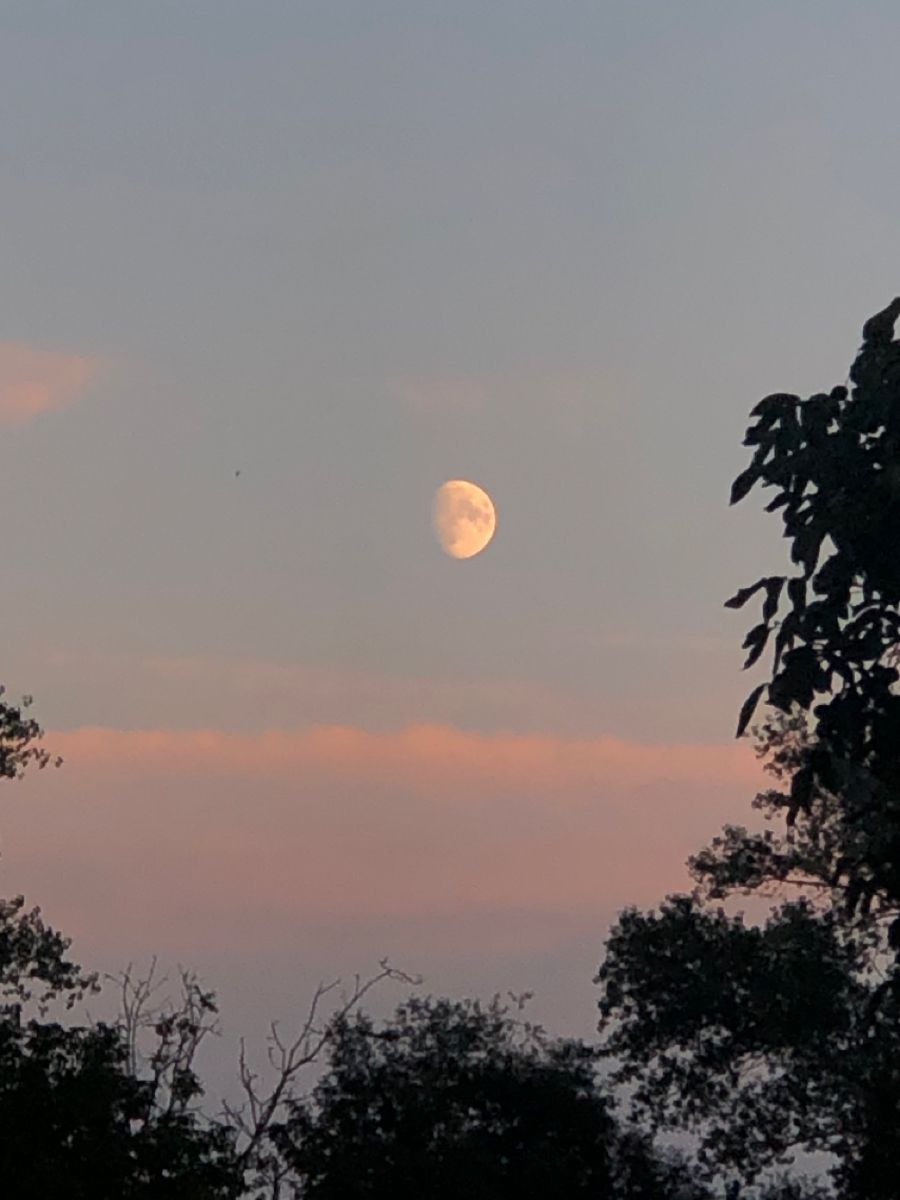
Look over here, we’re approaching Summer soon, not Fall, however for my American readers, wow you’re lucky to experience Fall in all it’s beautiful pumpkin spiced glory lol.
There’s something about fall that makes everyone want to become a slightly more organised version of themselves.
Suddenly we’re buying candles.
Making soup.
Reading books.
Romanticising rainy afternoons.
And convincing ourselves that this is finally the season we’ll have a proper bedtime.
Personally, I love a seasonal reset.
But I also think fall can be a funny time for our mental health.
The days get shorter. The weather changes. We’re spending more time indoors. And depending on where you live, the lack of sunlight can genuinely affect your energy, mood and sleep.
There’s also this strange pressure to make every new season a personal reinvention.
New routines.
New goals.
New habits.
New personality, apparently.
But lately I’ve been thinking that the best seasonal habits aren’t necessarily the ones that make us more productive. They’re the ones that make everyday life feel a little better.
And sometimes that means doing less, not more.
Here are four fall habits I’m particularly into for mental wellbeing. None of them require a 5AM alarm, an elaborate morning routine or purchasing seventeen new supplements.
1. Have a Third Place That Isn’t Your House or Work
I think one of the easiest ways to accidentally become miserable is to spend your entire week moving between the same two places.
Home.
Work.
Home.
Work.
Occasionally the grocery store for a little excitement.
And when the weather gets colder, it’s tempting to spend even more time indoors.
But I’ve realised how important it is to have somewhere to go that doesn’t involve being productive.
Sociologists call these third places — spaces outside home and work where people can relax, connect and feel part of a community.
Think:
Your favourite little café.
A local bookstore.
A weekend farmers’ market.
A park you love walking through.
A cosy spot where you can sit with a book.
Somewhere you can go without needing a particularly good reason.
Social connection and a sense of belonging are important for mental wellbeing, and even small, familiar interactions can make everyday life feel less isolating.
My fall rule? Have at least one place you go simply because you like being there.
Not to work.
Not to run errands.
Not to get your steps in.
Just to exist somewhere nice.
Very underrated.
2. Give Yourself Something to Look Forward to on a Random Tuesday
I’ve noticed that when life gets busy, all the fun things somehow end up being reserved for the weekend.
Monday to Friday becomes the part of life we need to get through.
Saturday and Sunday become the reward.
Which, when you think about it, is a slightly depressing arrangement.
That’s five days of waiting for two.
So one habit I love is putting something enjoyable in the middle of the week.
Nothing dramatic.
A dinner with a friend.
A new recipe.
An evening barre class.
A little solo date.
A walk somewhere beautiful.
A movie night with proper snacks.
Trying the new café you’ve been meaning to visit.
Research on positive anticipation suggests that looking forward to enjoyable experiences can contribute to positive emotions.
And I think we forget how good that feeling is.
Sometimes just knowing you’ve got something nice planned for Wednesday makes Monday feel a little less Monday.
You don’t need to wait for the weekend to have a life.
Put something on the calendar that isn’t an obligation.
Even if it’s just a really good dinner.
3. Stop Treating Rest Like Something You Have to Earn
This is a habit I’m actively trying to unlearn.
The idea that I can only properly relax once I’ve done absolutely everything.
Finished work.
Cleaned the apartment.
Answered every message.
Worked out.
Done the laundry.
Organised my life.
Become financially independent.
Solved climate change.
Then, perhaps, I can sit down.
But the problem is that there’s always something else to do.
Especially when you’re someone who likes being productive.
Fall feels like a good opportunity to get comfortable with slowing down without making it another task.
And I don’t mean creating an elaborate two-hour evening routine involving magnesium baths, dry brushing, journaling and a silk eye mask.
Although, lovely if that’s your thing.
I mean genuinely allowing yourself to do something that has no measurable outcome.
Read three chapters of a book.
Lie on the couch.
Watch a film.
Make dinner slowly.
Go to bed early.
Sit outside with a warm drink.
Do absolutely nothing for twenty minutes without immediately reaching for your phone.
Rest is part of maintaining our physical and mental health, not a prize for completing a sufficiently impressive to-do list.
You are allowed to enjoy a quiet evening even if your inbox isn’t empty.
The emails will, unfortunately, still be there tomorrow.
4. Make Daylight an Actual Part of Your Plans
I think we underestimate how much our environment affects how we feel.
Especially when the seasons change.
In fall, the days become shorter, and depending on where you live, it can become surprisingly easy to spend almost an entire day indoors.
Wake up.
Get ready.
Work.
Drive home.
Suddenly it’s dark.
And you’ve basically spent the whole day under artificial lighting.
Natural daylight helps regulate our circadian rhythm — the internal clock that influences sleep, alertness and other biological processes.
Reduced daylight exposure can also contribute to seasonal changes in mood for some people.
So rather than making sunlight another wellness metric to obsess over, I like the idea of building little outdoor moments into ordinary days.
Take your lunch outside.
Walk to get your coffee.
Sit in the garden for ten minutes.
Choose the scenic route.
Meet a friend for a daytime walk instead of another evening plan.
Go to the beach even when it isn’t beach weather.
One of my favourite things about being outdoors is that it gets me out of my own head.
Suddenly I’m noticing the trees, the air, the people walking past, the sky.
Not my inbox.
Not my to-do list.
Not whatever completely unnecessary thing I’ve been overthinking.
And while a little fresh air isn’t going to fix every mental health problem, regular time outdoors can support mood and wellbeing.
Sometimes the most helpful thing you can do is close the laptop and go see what the sky is doing.
The Goal Isn’t to Become a New Person by November
I think that’s the biggest thing I’m taking into fall.
You don’t need to reinvent your life every time the season changes.
You don’t need a perfect routine.
You don’t need to turn every morning into a wellness ceremony.
And you definitely don’t need to buy an entirely new personality in the autumn homeware section.
Sometimes looking after your mental wellbeing is surprisingly ordinary.
Having somewhere you like going.
Making plans that give you something to look forward to.
Learning how to rest without guilt.
Getting outside before the sun disappears.
Little things that make your days feel more like something you’re enjoying rather than something you’re managing.
Because I don’t think the goal of wellness should always be to become a better, more disciplined, more optimised version of ourselves.
Sometimes the goal is simply to make the life we already have feel a little nicer to live.
And that feels like a pretty good habit to take into fall.


Leave a Reply